
What Is Sensorineural Hearing Loss: Causes, Symptoms and Treatment Methods
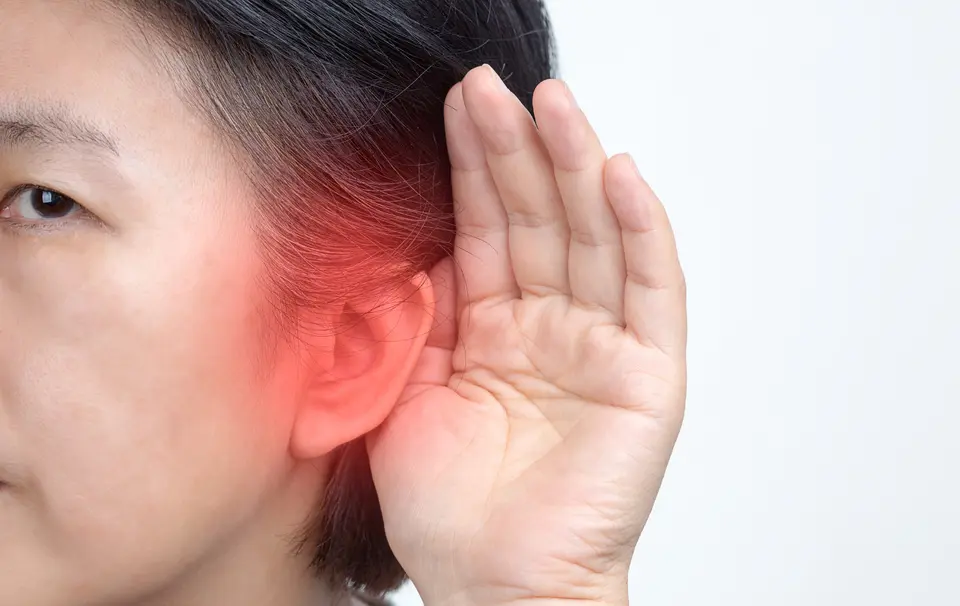
Sensorineural hearing loss (SNHL) occurs when there is damage to the inner ear or the nerves that transmit signals from the ear to the brain. This type of hearing loss is often permanent and can result in sounds being perceived as distorted, even at high volumes.
In this article, we’ll discuss the symptoms and causes of SNHL and explore the methods used for diagnosis. We’ll also delve into the available treatment options for SNHL and highlight the differences between sensorineural and conductive hearing loss.
Key Takeaways
- SNHL occurs when the inner ear or cochlear and/or its associated nerves are damaged. This condition can occur in either one or both ears.
- Symptoms of SNHL occur gradually or suddenly. Common symptoms include distorted hearing, reduced speech understanding, tinnitus, and dizziness.
- SNHL can be caused by ageing, noise exposure, genetics, physical trauma and more.
- To diagnose SNHL, a hearing care professional will conduct a comprehensive ear examination and a hearing test.
- SNHL is often managed using hearing aids or cochlear implants.
- What Is Sensorineural Hearing Loss (SNHL)?
- What Are the Symptoms of Sensorineural Hearing Loss?
- What Causes Sensorineural Hearing Loss?
- How Is Sensorineural Hearing Loss Diagnosed?
- What Are the Treatment Options for Sensorineural Hearing Loss?
- Conductive vs Sensorineural Hearing Loss
- FAQs About Sensorineural Hearing Loss
What Is Sensorineural Hearing Loss (SNHL)?
Sensorineural hearing loss (medical abbreviation: SNHL) is a type of hearing loss that occurs due to damage to the inner ear or the nerves that transmit signals from the ear to the brain. Individuals with this condition may perceive sounds as unclear or distorted, even at high volumes. The onset of SNHL can be gradual or sudden, and the effects are often permanent.
What Are the Symptoms of Sensorineural Hearing Loss?
Sensorineural hearing loss can impact either one or both ears, and can be gradual or sudden. These are some common symptoms associated with this form of hearing loss:
What Causes Sensorineural Hearing Loss?
Sensorineural hearing loss can be attributed to various factors, including ageing, exposure to loud noises, genetic factors and medications.
Ageing
The primary factor contributing to hearing loss is the process of ageing. Sensorineural hearing loss, in particular, typically manifests around the age of 60 (ageing starts at 40, but usually people notice the hearing loss at 60 due to its severity). A common indication of this condition is difficulty comprehending speech amidst background noise and requiring repetitions to understand.
Noise Exposure
Prolonged exposure to loud noises can cause damage to the inner ear, resulting in sensorineural hearing loss. This can happen in various settings, including workplaces like metalworking, construction, and manufacturing industries. Leisure activities such as attending concerts, going to nightclubs, and listening to excessively loud volumes on your headphones can also contribute to sensorineural hearing loss.
The maximum sound intensity that is safe to listen to for extended periods is 75dBSPL, equivalent to the sound level of an average vacuum cleaner or hairdryer. On media devices, that is approximately 70% of the volume bar. When listening to higher levels, reduce the listening duration or limit it to 1 hour a day to avoid damaging the ears.
Genetics
Newborns can experience sensorineural hearing loss due to complications during birth or staying in the NICU for prolonged periods. Mothers can also transmit infections like syphilis, toxoplasmosis, CMV, rubella, and herpes to their babies in the womb, leading to hearing loss.
Certain genes also cause early onset of hearing loss and/or increase the risk of hearing degeneration.
Physical Trauma
An injury to the head can cause damage to the ears and nerves. Subsequently, this can result in temporary or permanent sensorineural hearing loss.
Illnesses or infections
Illnesses such as Meniere’s disease and infections affecting the inner ear, such as meningitis, measles and mumps, can potentially cause sensorineural hearing loss.
Tumours
A tumour on the vestibulocochlear nerve, also known as acoustic neuroma, can affect the function of the auditory nerve, causing tinnitus, dizziness and/or sensorineural hearing loss.
Ototoxic Drugs and Cancer Treatments
Certain medications have the potential to harm the nerves responsible for hearing or the sensory cells located in the cochlea. Prescribing doctors should inform users of the potential risk of hearing loss and monitor the duration of drug use and the hearing levels of the patient closely. Examples of such drugs include:
- Antibiotics including aminoglycosides
- Diuretics including frusemide
- Antineoplastics
Treatment used for cancer, such as chemotherapy and radiotherapy, can also cause damage to the hearing organ and nerve due to the nature of the treatment.
How Is Sensorineural Hearing Loss Diagnosed?
To accurately diagnose and treat sensorineural hearing loss, it’s best to schedule a comprehensive hearing evaluation with an audiologist. The audiologist will examine your ear to check for any signs of inflammation, fluid accumulation, earwax buildup or damage to the eardrum. They’ll also check for the presence of foreign objects.
Next, the audiologist will carry out a hearing test in a soundproof booth. Different tones and words will be played at various volumes and frequencies in each ear. The purpose of this test is to determine the softest sound you can hear and identify specific frequencies where hearing loss may be present.
Sensorineural hearing loss audiogram
In many cases, especially if caused by age or loud noise exposure, sensorineural hearing loss audiograms show a sloping pattern (a gradual decline in hearing at higher frequencies). The audiogram will also show air and bone conduction symbols overlapping with elevated thresholds of above 20dBHL, indicating inner ear or auditory nerve damage. Often, the air bone gap is less than 10dB.
After the hearing test, your hearing care professional will review the results with you and advise on the next steps.
What Are the Treatment Options for Sensorineural Hearing Loss?
Prevention is better than cure. Adopt healthy hearing habits and diet to slow down hearing deterioration and monitor your hearing regularly for early detection and intervention. Hearing loss can potentially result in social isolation and reduced quality of life if left untreated.
For cases of sudden sensorineural hearing loss, see a medical doctor as soon as possible, ideally within the first 2 weeks of onset. Your ENT doctor may recommend medication such as steroid pills or steroid injections and a series of hearing tests to monitor the effects of steroids. However, medical and surgical interventions can rarely restore this type of hearing loss fully. In that case, the use of hearing aids and cochlear implants will be a better option to manage the residual hearing loss.
Hearing Aids
Medical-grade hearing aids are designed to help individuals manage the symptoms of hearing loss by customising the sound amplification to the users’ hearing configuration. For instance, if you encounter difficulties hearing high-frequency sounds, a hearing aid can effectively amplify these specific sounds while leaving other frequencies unaffected.
As technology advances, hearing aids have and are still improving their listening support features like noise suppression while retaining environmental cues and speech clarity to balance user comfort and benefit.
Cochlear Implants
A cochlear implant is a device used to assist individuals with severe to profound sensorineural hearing loss who are unable to benefit from hearing aids. It’s made up of 2 components, an external processor which is worn behind the ear, and a receiver which is surgically implanted under the skin.
The external processor captures sounds from the environment and transmits them to the internal receiver. The receiver then sends electrical signals to the auditory nerve, enabling the user to comprehend the initial sounds detected by the processor.
Conductive vs Sensorineural Hearing Loss
The 2 main types of hearing loss are sensorineural and conductive hearing loss.
Sensorineural hearing loss | Conductive hearing loss | |
|---|---|---|
Part of the ear that is affected | Inner ear or cochlear and/or its associated nerves | Middle or outer ear |
Causes | Aging | Middle ear: |
Impact | Voices sound unclear or distorted | Decrease in the perceived loudness of a sound |
Management | Hearing aids | Surgery |
FAQs About Sensorineural Hearing Loss
Sudden sensorineural hearing loss, or SSNHL, is a rapid loss of hearing in one ear that occurs within a short period, often within hours or a few days. It typically affects the inner ear or auditory nerve and may be noticed upon waking up or during daily activities.
Common symptoms accompanying the sudden loss of hearing include:
- A feeling of fullness in the ear
- Tinnitus (ringing in the ear)
- Dizziness or imbalance
If you suspect you may have SSNHL, book an appointment with us immediately for a professional diagnosis.
This article was originally published on MetaPress.

In her years of clinical practice, Jennifer has always adopted a patient-centric approach — empathising with patients’ problems, setting realistic expectations and delivering effective management tips.
As the Team Lead, Jennifer oversees the professional development and ensures good service quality in the team.
Jennifer Lee
Senior Clinical Audiologist
Schedule a Free Hearing Test
Required fields are marked.
*Hearing Partners does not offer ear wax removal services.