
Dizziness and Vertigo Diagnosis and Treatment
At Hearing Partners, we understand that dizziness and vertigo can disrupt your daily routine and affect your quality of life. Our state-of-the-art diagnostic tests will help identify the root cause of your imbalance, ensuring you get the tailored treatment you need to feel steady and secure once more.
What is Dizziness and Vertigo?
Dizziness is a term used to describe a variety of sensations such as lightheadedness, unsteadiness and a feeling of floating. On the other hand, vertigo refers to a specific type of dizziness that involves the false perception of spinning or movement, often linked to vestibular disorders in the inner ear.
A prevalent cause of vertigo is Benign Paroxysmal Positional Vertigo (BPPV). When small calcium crystals in the inner ear become dislodged, episodes of severe spinning sensations triggered by changes in head position can occur. This is known as BPPV.
These sensations of dizziness and vertigo can greatly affect your quality of life, making everyday activities more challenging and increasing the risk of falls and injuries. Recognising the difference between dizziness and vertigo, their causes and accompanying symptoms is crucial for effective treatment.
Causes of Dizziness
These are some common causes of dizziness:
Physiological factors | Dehydration, heat exhaustion, low blood sugar, low blood pressure, iron deficiency anaemia |
|---|---|
Psychological factors | Stress, anxiety |
Other causes | Motion sickness, head injuries, certain medications, alcohol, carbon monoxide poisoning |
Causes of Vertigo
Some causes of vertigo may include the following:
Inner ear disorders | Benign Paroxysmal Positional Vertigo (BPPV), Meniere’s Disease, Vestibular Neuritis, Labyrinthitis |
|---|---|
Central nervous system disorders | Vestibular migraine, multiple sclerosis, cerebellar stroke |
Other causes | Head injuries, tumors affecting the vestibular system, certain medications |

Symptoms Associated With Dizziness
Dizziness may often be accompanied by various other symptoms including:
- Nausea/vomiting (acute phase)
- Feelings of lightheadedness
- Imbalance
- Difficulty concentrating/brain fog
- Hearing changes
- Blurred vision/oscillopsia

Symptoms Associated With Vertigo
You may notice these symptoms when experiencing episodes of vertigo:
- Surroundings spinning or moving
- Tinnitus
- Headache
- Nausea or vomiting
- Nystagmus (involuntary eye movements)
- Changes in hearing or blocked ears
Vestibular Assessment at Hearing Partners
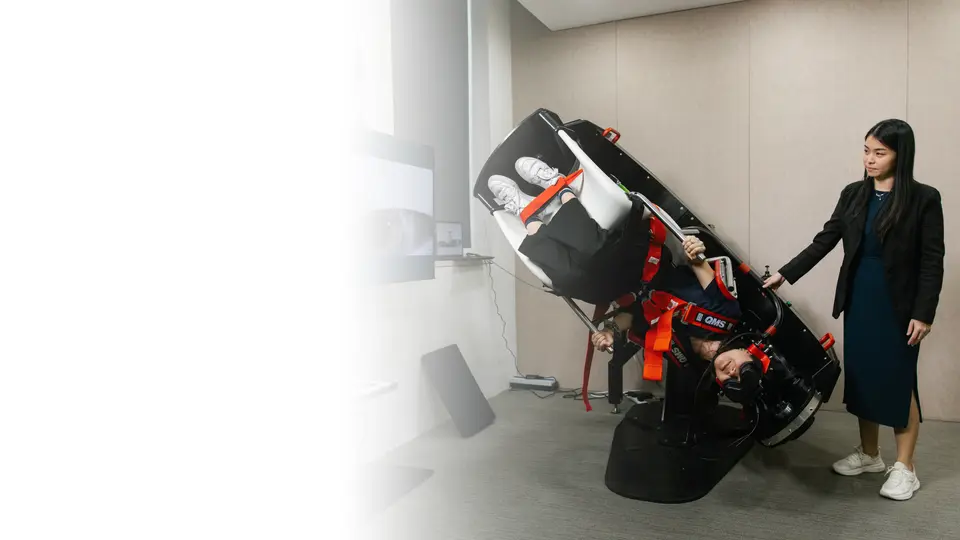
At Hearing Partners, we offer diagnostic services for assessing the vestibular system using state-of-the-art technology. Our process begins with a thorough assessment of your medical history, followed by a physical ear examination. Subsequently, our experienced hearing care professionals will perform a series of tests, including hearing tests and vestibular tests (e.g. VNG, VHIT, VEMPS, Rotary chair, TRV chair) to gain insight into your condition.
Dizziness and Vertigo Treatment Methods
After the cause of your dizziness or vertigo has been diagnosed, your doctor or audiologist will prescribe the appropriate treatment to address your condition. Treatment methods include medication, visual acuity checks, lifestyle changes and vestibular rehabilitation or physiotherapy.
Medication
Depending on the cause, your doctor may prescribe medications to alleviate your symptoms. Some commonly prescribed medications include:
- Betahistine
- Antibiotics or steroids
- Diuretics
Lifestyle changes
Changes to your lifestyle can sometimes alleviate dizziness and its accompanying symptoms. For example, moderating your consumption of substances such as caffeine and alcohol and incorporating stress relief techniques into your daily routine can help reduce the frequency of dizzy spells.
Visual acuity checks
A visual acuity test is an eye examination that determines the smallest letters or symbols you can read on a standardised chart from a specific distance. It is designed to evaluate your vision and can be used to identify or rule out any issues that may be contributing to your symptoms.
Vestibular rehabilitation or physiotherapy
Specific vestibular rehabilitation or physiotherapy treatments may be recommended depending on the cause of your vertigo. At Hearing Partners, a TRV chair will be used to treat complex or chronic BPPV.
Fill Out Our Dizziness Evaluation Quiz
Required fields are marked.
Why Choose Hearing Partners?

Trusted hearing clinic

Expert hearing care professionals

Reliable prescription hearing aids
Customer Reviews


FAQs About Dizziness and Vertigo Diagnosis and Treatment in Singapore
If dizziness, vertigo and the accompanying symptoms persist for long periods or disrupt your daily life, consult a doctor for advice and treatment. Furthermore, seek immediate medical attention if you experience any of the following symptoms, as they may indicate a serious condition:
- Chest pain
- Drooping of the eyes or mouth
- Numbness or tingling sensations
- Blurred vision
- Speech difficulties
- High fever
- Persistent severe headache
- Fainting spells
- Loss of consciousness
- Persistent vomiting
- Hearing loss
- Tinnitus
The duration of vertigo can vary significantly based on its underlying cause. In general, vertigo can persist anywhere from several minutes to days.
Leaving vertigo untreated can lead to several complications including:
- Increased risk of falls and injuries
- Long-term health complications (if underlying health conditions causing symptoms remain untreated)
- Poorer quality of life
All articles
What Is the Hearing Aid Fitting Process in Singapore: What to Expect and Who Needs It

Hearing Aid Maintenance: Cleaning, Daily Care Tips and FAQs

Oticon vs Phonak vs ReSound and More: Comparison of Top Hearing Aid Brands

Hearing Test in Singapore: Types, Cost, and What to Expect During the Process

Giddiness vs Dizziness vs Vertigo: Causes and Treatment Methods

Muffled Hearing: Causes, When to See a Doctor and Treatment Methods
Schedule a Free Hearing Test
Required fields are marked.
*Hearing Partners does not offer ear wax removal services.