
Pain Behind the Ear: Understanding the Causes, Symptoms and Treatment Methods
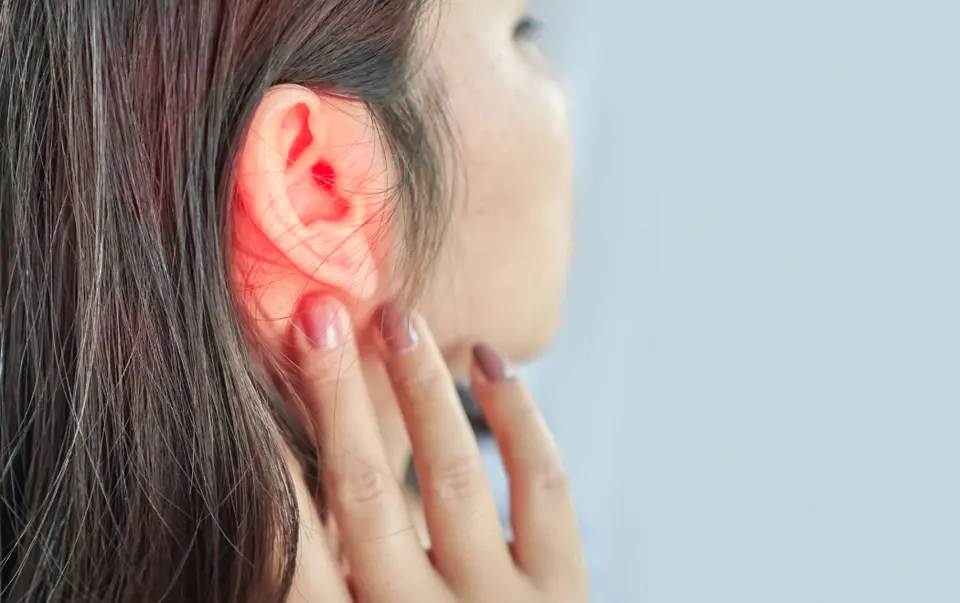
Your ears and the area behind the ears (otherwise known as the mastoid bone) are highly sensitive parts of the human body. As many blood vessels and nerves can be found there, any slight irritation can cause significant pain and discomfort.
While it’s uncommon to experience pain behind the ear, it can be caused by issues related to your ear, mouth and jaw. The pain may feel sharp or stabbing, or it can be dull and throbbing. It can also come in the form of a headache or fullness in the ears.
In certain cases, this sensation can spread to other parts of the body including the back of your head, neck, jaw and cheeks.
This article will explore various causes for the pain behind your ear. For each condition, we’ll share the symptoms and methods of treatment. We’ll also touch on potential complications if certain conditions are left untreated.
Ear-related Reasons for Pain Behind the Ear
The pain can be attributed to certain conditions related to the ear, namely infections and a buildup of earwax.
Earwax buildup
The lining of the outer ear canal is protected by a substance called cerumen, otherwise commonly known as earwax. In normal situations, this substance will naturally be cleared out of the canal.
However, there are instances whereby earwax may build up deep within the ear canal, causing it to become hard and impacted over time. This includes:
- Earwax that’s drier than normal
- Habits that push earwax deeper into the canal (e.g. regular use of cotton swabs, sticking your finger in your ear canal)
- Narrow or twisted ear canals
- Overproduction of earwax
- Wearing hearing aids
Symptoms
If there’s a severe buildup of earwax in your ear, you may notice the following symptoms:
- Difficulty hearing
- Fullness in the ear
- Pain behind the ear
- Tinnitus (ringing or buzzing in the ears)
Otitis externa (Swimmer’s ear)
An infection of the outer ear canal, Swimmer’s ear, occurs when bacteria enters the ear and causes inflammation. This often results from excess moisture in the ear after activities such as swimming, as the damp environment facilitates the growth of bacteria.
This condition can also be caused by fungal infections, or any of the following circumstances:
- Allergies or chronic skin conditions
- Exposure to contaminated water
- Trauma or injury to the ear canal
Symptoms
In mild cases, the symptoms of otitis externa include:
- Clear or yellowish-green discharge
- Discomfort in the ear
- Itching in the ear canal
- Redness around the ear canal
As the condition worsens, you may experience the following on top of the above symptoms:
- Difficulty hearing
- Ear pain
- Fever
- Fullness in the ear
- Pain in the face, neck and side of the head
- Swollen or blocked ear canals
- Swollen lymph nodes
Otitis media (Middle ear infection)
Otitis media, also known as middle ear infection, is caused by the inflammation of the space between the eardrum and inner ear. This condition often surfaces in children, though it can affect individuals of all ages.
The common causes of otitis media are viral respiratory tract infections such as colds or flu. As the middle ear is connected to the nose and the back of the throat by the eustachian tube, germs from such infections can spread to the middle ear easily. This can, in turn, cause the middle ear to become inflamed.
Symptoms
Children and adults may display different symptoms when experiencing otitis media.
Children | Adults |
|---|---|
Pulling on the affected ear | Difficulty hearing |
When the pressure in the middle ear becomes too high, the eardrum may rupture. This can lead to pus-like discharge from the ear and/or immediate relief from the pain.
Mastoiditis
Mastoiditis is the infection of the mastoid bone resulting from untreated acute otitis media. It’s relatively uncommon, though it tends to affect children under the age of 2 years. This condition is serious and requires immediate medical attention from a doctor.
Symptoms
The symptoms of mastoiditis in adults and young children may differ.
Children | Adults |
|---|---|
Acting very sick | Fever |
Dental-related Reasons for Pain Behind the Ear
Aside from reasons related to the ears, conditions or issues with your teeth and jaw can also cause pain behind the ear.
Dental issues
Did you know that dental issues such as decay and cavities, impacted teeth and dental abscesses (infections caused by untreated tooth decay) could indirectly cause pain behind the ear?
Though the pain is actually from your teeth, your brain may mistakenly assume that the sensation is coming from your ear. This is known as referred pain.
Symptoms
The symptoms of dental issues will differ depending on your condition. Some common ones may include:
- Swelling in the cheek
- Tender and enlarged lymph nodes under the jaw or at the neck
- Tooth pain
- Tooth sensitivity
Temporomandibular Joint (TMJ) disorder
Inflammation of the temporomandibular joint and the muscles that control your jaw movement is known as TMJ disorder.
As the temporomandibular joint is located near the ear, pain resulting from TMJ disorders may feel like they’re coming from the ear instead of the jaw.
This condition can be caused by various reasons such as:
- Arthritis
- Clenching or grinding of teeth (bruxism)
- Genetics
- Poor head and neck posture
- Stress
- Teeth misalignment
Symptoms
You may be suffering from TMJ disorder if you notice the following symptoms:
- Clicking or popping sounds when you open or close your mouth
- Discomfort in the neck, back, arm and eyes
- Pain in one or both ears
- Pain on one or both sides of the face
- Pain when moving the jaw
- Tinnitus
Other Reasons for Pain Behind the Ear
Other conditions, namely occipital neuralgia and Ramsay Hunt syndrome, can cause pain behind your ear.
Occipital neuralgia
This condition is characterised by severe stabbing or shooting pain resulting from damaged occipital nerves. The pain occurs suddenly on one side of the head and can spread to the back of the head and even the upper neck.
While the cause of this condition is unknown, some medical conditions such as neck osteoarthritis and degenerative disc disease may be related to it.
Symptoms
Symptoms of occipital neuralgia may include:
- Dizziness
- Nasal congestion
- Nausea
- Sharp pain behind the ear
- Tenderness when pressing the back of the head or area behind the ear
- Tinnitus
- Vision impairment or pain behind the eye (on the same side where the headache is experienced)
Ramsay Hunt syndrome
When the virus causing chickenpox is reactivated, it results in a condition known as Ramsay Hunt syndrome. This is a rare condition that causes intense pain in the ear and this sensation may spread to the neck.
Symptoms
The symptoms associated with this condition are:
- Blistering rash inside the ear canal or on the ear’s outer portion
- Blisters in the mouth and/or the top of the throat
- Difficulty hearing
- Facial paralysis on the affected side
- Intense pain in the ear
- Nausea and vomiting
- Tinnitus
- Vertigo
Diagnosing Pain Behind the Ear
As there are numerous reasons for experiencing pain behind the ear, you may be referred to different doctors or specialists for diagnosis. This includes ENT specialists, dentists, neurologists or audiologists.
You may also have to undergo various tests before the cause of the pain can be determined. These are some common methods for diagnosing the pain:
Medical history
This is often the first step in diagnosing the cause of the pain. Your doctor or specialist will review your medical history, including medications, before asking some questions to determine the nature of the pain.
The questions may be related to the location, frequency and severity of the pain. You may also be asked to list other symptoms you experience.
Physical examination
After understanding your medical history and the nature of the pain, your doctor or specialist may conduct a physical examination. This includes checks on your vital signs and an examination of your head, neck, ears and mouth.
At Hearing Partners, we’ll use an otoscope to detect signs of earwax buildup or infections. Tympanometry may also reveal signs of ear infections such as otitis media, though the diagnosis and treatment of such conditions will be handled by our ENT partners.
Laboratory tests
These tests are often performed together with other methods of diagnosis to provide a complete picture of your condition.
Imaging tests
X-rays, computed tomography (CT) and magnetic resonance imaging (MRI) scans are examples of imaging tests that may be done to help diagnose the cause of your pain. They can identify arthritis of the neck or jaw joints or bony abnormalities near the ear.
Take a hearing test today
Take charge of your hearing health today and get your ears checked! Schedule an appointment with our audiologists now.
Complications of Pain Behind the Ear
Certain conditions causing pain behind the ear may lead to complications if left untreated. For example, untreated otitis externa, otitis media and earwax buildup may lead to hearing loss.
Moreover, leaving mastoiditis untreated can lead to serious complications such as:
- Facial nerve paralysis
- Hearing loss
- Infection of the skull bone
- Intracranial abscess
- Meningitis
- Venous sinus blood clot
Thus, it’s crucial to monitor your symptoms and seek treatment promptly.
Treatment for Pain Behind the Ear
The recommended treatment plan will differ depending on your doctor’s diagnosis of the cause of your pain.
Condition | Treatment methods |
|---|---|
Ear-related | |
Earwax buildup | Ear wax-softening drops |
Otitis externa (Swimmer’s ear) | Antiseptic ear drops |
Otitis media (Middle ear infection) | Antibiotics (e.g. amoxicillin) (if necessary) |
Mastoiditis | Intravenous (IV) antibiotics |
Dental-related | |
Dental issues | The type of treatment varies depending on the issue. |
TMJ disorder | Pain medication |
Others | |
Occipital neuralgia | Heat |
Ramsay Hunt syndrome | Antiviral medication |
FAQs About Pain Behind the Ear
It’s crucial to monitor your symptoms when you experience pain behind your ear. Some conditions will require immediate medical attention.
If you notice any of the following symptoms, you should visit a doctor immediately:
- Changes to your vision
- Difficulty hearing
- Difficulty moving your neck
- Discharge from the ear accompanied by blood or odours
- High fever
- Lumps on the neck
- Persistent pain in the ears
- Sensitivity to light
- Serious headaches
- Throat pain or difficulty swallowing

When Sadrina was a freshman in university, she made her first hearing-impaired friend. She shared with her about the hearing impairment culture, taught her sign language, and made her realise for the first time the importance of being able to hear.
Since then, Sadrina has been devoted to helping people with hearing loss connect with the world of sounds around them.
Sadrina Shah
Senior Clinical Audiologist
Schedule a Free Hearing Test
Required fields are marked.
*Hearing Partners does not offer ear wax removal services.