
Ear Digging: Is It Really Bad for You and What To Do Instead
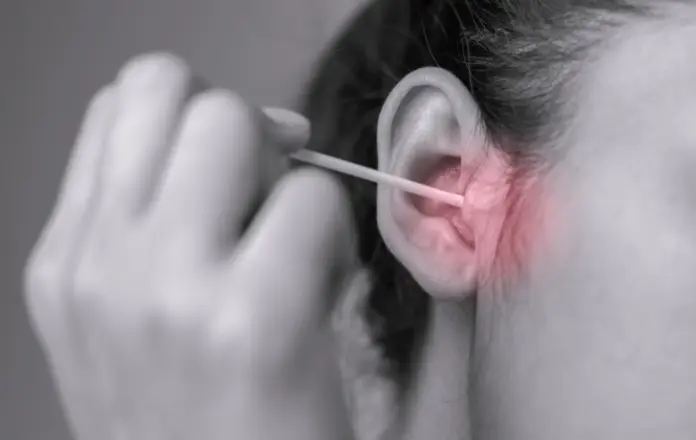
Ear digging involves using an object, such as a Q-tip or cotton bud, to remove wax from inside the ear canal. Often, people do this because of the pervasive feeling that their ears are itchy or clogged due to a buildup of earwax. While cleaning with a Q-tip tends to relieve that itch, this action can be dangerous.
In this article, we debunk some of the common myths surrounding ear digging, highlight the potential complications of this habit and share some tips on what best to do instead.
Myths About Ear Digging
Whether or not ear digging is harmful and should be avoided has been the subject of much debate over the years. Here are the 5 most common myths debunked by our audiologists!
Myth 1: Ear wax is a sign of poor personal hygiene
While it may seem like ear wax is gross, its presence is actually a sign that your ears are normal and healthy, rather than unclean.
Earwax, medically known as cerumen, serves several functions. For example, it naturally moisturizes the skin inside your ear, preventing it from flaking due to dryness. More importantly, it traps microscopic debris such as dirt, dust and bacteria and stops them from reaching the deeper parts of the ear canal.
Depending on factors such as ethnicity, age, environment and diet, each individual may produce more or less earwax than others.
Myth 2: I should dig my ears to remove ear wax
This is false! As new skin grows in the deeper part of your ear canal, it migrates outward to push out old dead skin. This also moves earwax out of the ear canal naturally, meaning that you don’t usually need to clean your ears to remove earwax.
However, this natural self-cleaning process may be less effective for those born with narrower ear canals, and they may experience a buildup of earwax. In such cases, it’s advisable to visit an Ear, Nose and Throat (ENT) doctor for ear wax removal instead.
Myth 3: I should dig my ears when they itch
If you feel an itch in your ear, don’t dig it! This tends to occur due to the presence of loose earwax or some foreign objects such as hair or cotton fluff being trapped inside the ear canal. Even the ear’s process of self-cleaning may result in a perceived itch as the earwax is being pushed outwards.
When you encounter this situation, it’s recommended to avoid digging your ear as this action can cause more harm than good. Monitor the situation and if the itch persists, see an ENT doctor.
Myth 4: I can dig my ears with my finger
Regardless of how much discomfort you face, don’t insert your fingers into your ears. Your fingers and fingernails are carriers of germs and there’s a good chance they may cause an ear infection.
Myth 5: I can dig my ears with cotton buds or metal digger tools
Using cotton buds may appear to be the most hygienic way of cleaning your ears but there’s a chance that the wax may be pushed even deeper into the ear canal. This can compromise your ear’s self-cleaning system as it may not be able to push all the wax out, leading to a blocked ear.
On the other hand, metal digger tools can be dangerous. They may cause scratches on the sensitive skin of your ear canal and result in bleeding and infections. Other potential complications include injury and perforation of the eardrum.
Complications of Ear Digging
While ear digging can be satisfying and creates a feeling of cleanliness, it carries significant risks including ear injury, infections and hearing impairment.
Impacted ear wax
Earwax impaction refers to a blockage in the ear due to wax being stuck deep in the ear canal. This can become a precursor to more serious problems such as ear infections and hearing loss.
Injury to the ear
Using ear-digging tools can hurt the delicate and sensitive eardrum. The risk of piercing and rupturing is also relatively high, and you may experience tinnitus if this happens.
Ear infections
Ear digging can compromise the external auditory canals’ natural resistance against bacteria and fungal infections. As a result, otitis externa, an ear infection that occurs between the eardrum and the outer ear, can develop.
Hearing loss
In more serious cases, hearing loss can result from ear digging. This can manifest from a spectrum of causes including damage to the ear’s internal structure or wax being pushed deep into the ear canal.
Note!
If you suspect that you may be experiencing hearing loss, take an online hearing test or book an in-person hearing test to check your hearing health.
Alternatives to Ear Digging
Earwax can still accumulate despite all the care taken and this may occur for a myriad of reasons from narrow ear canals to skin problems such as eczema.
Regardless, it’s not recommended to resort to any of the methods above to remove it. Rather, try these alternatives to ear digging.
Over-the-counter ear drops
The purpose of these ear drops is to help soften the wax so that it can be discharged more easily.
There are several different types of eardrops you can use, including ones containing
- docusate sodium,
- glycerol,
- hydrogen peroxide,
- sodium bicarbonate,
- mineral oil,
- olive oil, or
- almond oil.
However, eardrops may be unsuitable for individuals with specific skin types or conditions. For example, eardrops shouldn’t be used if you have a perforated eardrum (a hole or tear in your eardrum).
If you’re unsure of whether eardrops are suitable for you, you’re advised to speak with your ENT doctor or audiologist prior to use.
Note!
You may feel like your hearing and/or symptoms worsen slightly just after using these eardrops, but not to worry, it tends to get better after a while.
Ear irrigation
The process starts with an examination of your ear canal. During this examination, the ENT doctor will insert an otoscope into your ear to get a clearer picture of your condition. After which, the doctor will determine if your symptoms are caused by excess earwax and not a more severe issue.
Once it has been determined that you can go ahead with the procedure, water or a saline mixture will be inserted into your ear canal via a syringe to flush out the wax. The procedure is painless, though you may feel some discomfort.
It’s important to note that ear irrigation may not be suitable for certain individuals, especially those who have undergone ear surgery or have a perforation of the eardrum. If you’re considering this procedure, do consult your ENT doctor to determine whether you’re a suitable candidate.
Microsuction
Similar to ear irrigation, the doctor will first examine your ear canal with an endoscope to find the blockage. This is a tool with a tiny camera and light.
For the microsuction procedure, the doctor will use a tiny vacuum to gently loosen the wax from your ear canal. You may feel some suction inside your ear and hear some crackling or squeaking during the few minutes of the procedure.
Once the wax has been loosened, your doctor will either remove it with the vacuum or a pair of forceps.
Microsuction is suitable for individuals who have had certain pre-existing ear conditions such as:
- A ruptured eardrum
- A history of ear surgery
- Foreign matter in their ear
- Mild otitis externa (outer ear infection)
Tips to Prevent the Buildup of Earwax
Prevention is always better than cure. Read on for some tips to prevent earwax from building up.
Wipe the outer ear
If you feel like you need to clean your ears in some way, you can gently wipe your outer ear with a damp cloth to get rid of any earwax. Alternatively, a damp cotton bud will also suffice, though you should take care not to insert it into the ear canal.
While cleaning the outer ear is safe, it shouldn’t be cleaned too often as it can dry out the skin and cause irritation. It’s advisable to only wipe your outer ears every 2 to 4 weeks.
Keep your ears dry
Ear wax can expand upon contact with water, for example after a shower or swim, and this may result in the ear canal becoming blocked. Thus, it’s important to develop the habit of drying your ears with a dry cloth after a swim or shower.
You can also consider wearing items such as a shower or swimming cap and waterproof earplugs when you’re swimming or showering to prevent water from getting into your ears.
FAQs About Ear Digging
Yes, digging your ears on your own at home can result in various complications. Some of these include impacted ear wax, injury to the ear and/or eardrum, ear infections, and in more severe cases, hearing loss.

When Sadrina was a freshman in university, she made her first hearing-impaired friend. She shared with her about the hearing impairment culture, taught her sign language, and made her realise for the first time the importance of being able to hear.
Since then, Sadrina has been devoted to helping people with hearing loss connect with the world of sounds around them.
Sadrina Shah
Senior Clinical Audiologist
Schedule a Free Hearing Test
Required fields are marked.
*Hearing Partners does not offer ear wax removal services.